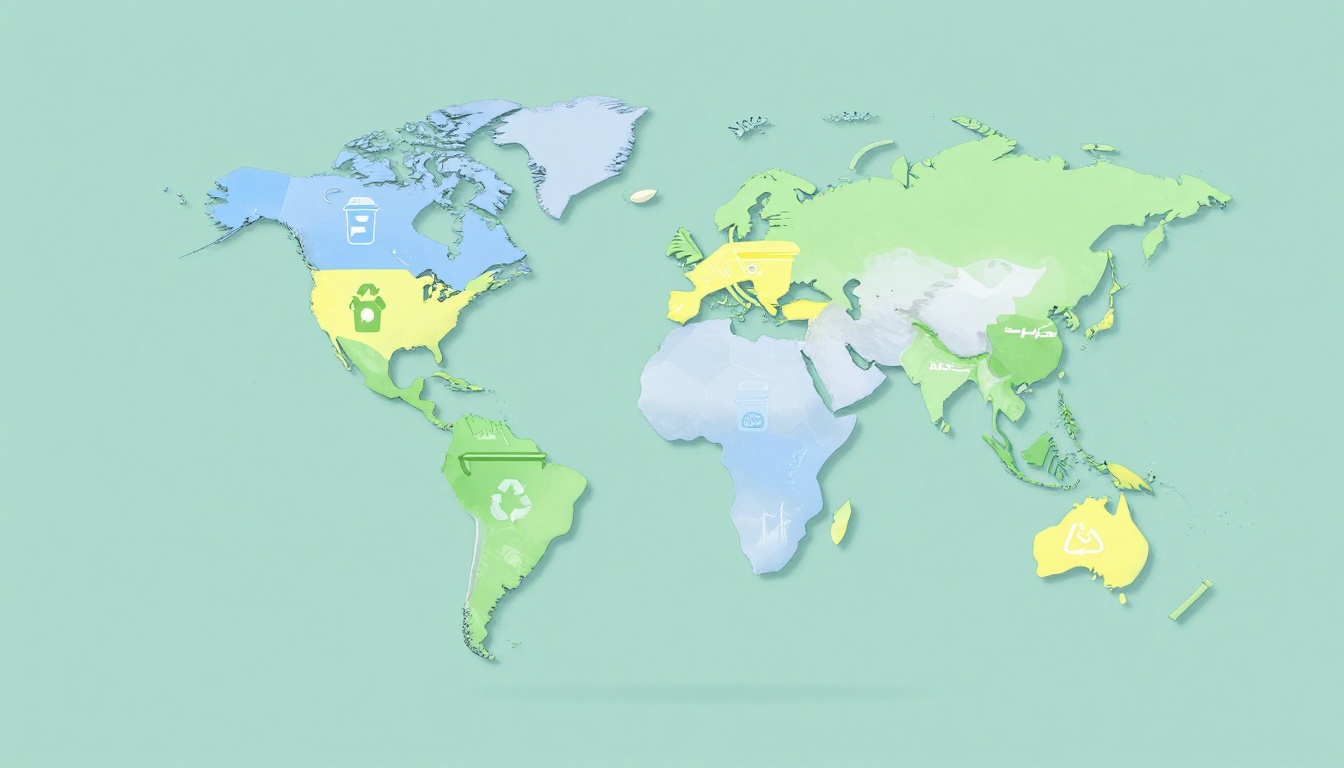
Ever notice how your friend’s recycling routine looks nothing like yours? In Germany, sorting helps drive high recovery rates, while in the U.S. the rules can vary from city to city. That mismatch is why “recycling rules by country” is such a common search term.
The core reason is simple: countries don’t just recycle, they run systems. Those systems depend on money, local setup, public habits, laws, and even what waste shows up most. So two places can both care about the planet, yet still enforce different rules.
In the sections below, you’ll see the big factors that shape recycling policies, plus real examples from Europe, Japan, the U.S., and beyond. Then we’ll connect it to what’s changing in 2026, so you know what to watch next when your local rules shift.
Key Factors That Make Recycling Rules Unique to Each Country
Recycling rules differ because they’re built for local reality. Think of it like cooking. You can use the same goal (a good meal), but your tools, ingredients, and skills decide the recipe.
Here are the main forces that shape recycling rules by country:
- Economics: Markets and funding decide what’s worth collecting.
- Infrastructure: Pickup and sorting systems shape what households can do.
- Culture: Public buy-in affects contamination and follow-through.
- Regulations: Fees, bans, and company rules push behavior.
- Waste types: Local trash patterns determine which materials get targeted.

Economics: Can a Country Afford to Recycle?
Recycling costs money. That’s true even before you sort a single item. Wealthier countries can fund more trucks, more bins, and more sorting plants.
However, affordability isn’t just about budgets. It’s also about what recyclables are worth at any given time. When markets for plastics or metals swing, rules often tighten or loosen.
In places with strong recovery scores, governments can plan for stable systems. For example, Germany and Switzerland top many “waste recovery” rankings, with Germany at 98.9 and Switzerland at 100.0 (as reported in recent recovery score datasets). You can see cross-country comparisons in Recycling Rates by Country 2026.
Meanwhile, countries with fewer funds may focus on the basics first. They might prioritize collection for paper and metal, then expand over time once capacity grows.
Infrastructure: From City Bins to Remote Challenges
Infrastructure turns good intentions into daily habits. A city can run curbside pickup on tight routes. It’s harder in rural areas, where transport distances rise fast.
Then comes sorting. Some countries use multi-stream systems, like separate bins for paper, plastics, and organics. Others rely on single-stream collection, where people drop many recyclables into one bin.
Single-stream can be easy for households. Still, mixed loads often raise contamination. That means more rejects at the facility.
Europe and Japan typically avoid “too easy” setups when purity matters. The result is rules that ask households to sort more carefully. In contrast, the U.S. often leaves setup choices to local governments, which is why your recycling experience may depend on your ZIP code.
Culture: Habits That Boost or Block Recycling
Culture is the quiet driver behind recycling rules. If people see sorting as normal, contamination drops. If they see it as confusing, it goes up.
In some countries, sorting habits start early. Schools, local campaigns, and consistent bin systems train people to recognize materials. Over time, families learn what goes where.
In other places, rules may change more often, or they may differ by collection day. Then confusion grows. Small mistakes, like a plastic bag in the paper stream, can force entire batches to be treated as trash.
That’s why some governments design rules around behavior, not just materials. When rules match how people live, recycling actually happens.
Regulations: Laws That Force the Change
Recycling rules often come from law, not from goodwill. Regulations set the “gravity” of the system, especially through fees and penalties.
Common examples include landfill restrictions, trash bag fees, and “pay for what you throw away” systems. Germany and Switzerland also push strict sorting using enforcement and fines when people mix waste.
Also, a growing share of rules target producers, not just households. That approach is called extended producer responsibility (EPR). Instead of expecting consumers to carry the full cost, companies help fund collection and recycling of their products.
For a country-by-country look at how EPR works across Europe, see EPR regulations across the EU – comparison & overview.
Waste Types: Tailoring Rules to Local Trash
Rules should fit local trash. If a country sees a lot of beverage bottles, it makes sense to focus on packaging recycling. If it has lots of electronics in landfills, it may push e-waste collection too.
That’s why you’ll hear different priorities in different places. Some regions target plastics because those volumes dominate local streams. Others prioritize bottles and cans with deposit systems.
In practice, the “best” rule set depends on what’s most common, and what can be recovered efficiently. Even the same material can behave differently based on local packaging formats and consumer behavior.
Real Examples of Recycling Rules in Action Around the World
If you want the clearest answer to “why recycling rules differ between countries,” start with what each system rewards and punishes.
Here’s a quick snapshot using recent recovery and municipal recycling figures where available. Remember, countries measure differently, so use this as a directional view, not a perfect scoreboard.
| Country | Waste recovery score (0-100) | Municipal recycling % (reported) | What rules often look like |
|---|---|---|---|
| Germany | 98.9 | 48% | Strict separation, strong packaging focus |
| Switzerland | 100.0 | 29.9% | Very high sorting detail, pay-per-bag |
| USA | 44.0 | 23.6% | Local rules, single-stream is common |
| Japan | 94.4 | Not listed | Very strict sorting, deposit bottles |
| Australia | 41.1 | 24.6% | State rules, commingled bins often used |
| South Korea | 82.0 | 67.1% (households) | Strong sorting pressure, food waste rules |
| China | Not ranked top 25 | Not listed | Focus shifts toward domestic recycling post-import ban |
| India | Not ranked top 25 | Not listed | Informal collection plays a big role |
| Brazil | Not listed | Not listed | Material-specific strengths, expanding services |
For more on how a few countries perform well on municipal recycling, this Euronews report is helpful: Only nine countries doing well on municipal waste recycling, EU auditors say.

Strict Systems in Europe and Japan
Germany and Switzerland rely on detailed sorting. People separate items at home into specific streams. When rules are strict, governments often back them with enforcement and fees that make mixing waste expensive.
Germany also uses deposits for beverage bottles, commonly around 8 to 25 cents, refunded at machines. That kind of “return value” nudges people to bring containers back.
Switzerland uses high fees for unsorted bags, plus a pay-per-bag model. As a result, households have a clear financial reason to sort well.
Japan takes the same idea further with very fine sorting rules, often described as 20+ types, sometimes even by packaging color. Deposit systems for bottles are also widespread. That helps keep valuable containers out of trash.
Varied Approaches in the USA and Australia
In the U.S., there’s no single national rulebook for recycling. Cities decide the rules, so neighbors may follow different systems. Many areas use single-stream collection, where recyclables go into one bin.
Single-stream helps convenience. Still, contamination can rise when people don’t know what’s accepted. That leads to rule tightening at the local level, especially for plastics.
Australia has its own mix. State rules vary, but commingled bins are common. Recycling facilities then do more sorting work behind the scenes.
So why does this difference matter? Because when households face less clarity, the system depends more on sorting plants and less on perfect behavior.
Challenges in Developing Nations Like India and Brazil
In India and Brazil, formal recycling rules often collide with informal waste work. Many areas rely on informal collectors who recover materials for resale. That can make recycling happen, even when municipal rules are limited.
However, informal systems can still struggle with scale. When government services are patchy, households may not have consistent pickup or sorting options. Enforcement can also be low.
Meanwhile, China’s situation shifted after a long period of receiving waste imports. After the 2018 import ban on waste, many cities focused more on domestic processing and sorting efforts. That change pushed recycling policies to evolve quickly.
If you want additional perspective on global lessons, Recycling Around the World: Lessons From Countries With High Recycling Rates is one place to compare patterns and outcomes.
2026 Trends Reshaping Recycling Rules Globally
By 2026, countries are changing rules for two reasons. First, landfill and incineration costs stay high. Second, contamination hurts the value of recovered materials.

Here are the trends showing up again and again:
- Plastic bans keep expanding. Many countries restrict single-use items like bags and straws. Europe has moved hard in this direction, with broader bans expected through the mid-2020s.
- Producer responsibility grows. Makers increasingly help pay for packaging recycling. In countries like Germany and South Korea, producer rules are a major support for packaging recovery.
- Single-bin systems face pressure. They’re simple, but they can increase contamination. As a result, some places keep single-bin for convenience while tightening what counts as “accepted” at facilities.
- Higher sorting performance gets rewarded. South Korea stands out with household recycling around 67.1%, along with strong household sorting expectations.
- New tools start helping. AI sorting and sorting apps are becoming more common, especially where mixed waste is hard to manage.
Also, the “why” behind these changes is pretty consistent. Rules evolve when a country can’t meet its goals with the old setup. Over time, many systems move toward clearer sorting instructions and stronger incentives.
The main takeaway for everyday people is hopeful: simpler rules can help, but only if they come with support. When local systems make sorting easy and waste collection predictable, more people follow through.
Conclusion
Recycling rules differ between countries because recycling is a system, not a slogan. Economics shapes what governments can build. Infrastructure decides what households can realistically do. Culture and laws turn that into either clean streams or messy contamination.
The best direction in 2026 is also clear. More places are pushing producer responsibility and plastic bans, while testing how to make sorting simpler without losing quality.
So check your local rules before you toss anything in a bin. If you want better results, follow the accepted list, keep trash out of recyclables, and help spread what works in your area.
And if you’d like, share your country’s recycling quirks in the comments. What surprises you most about what goes where?