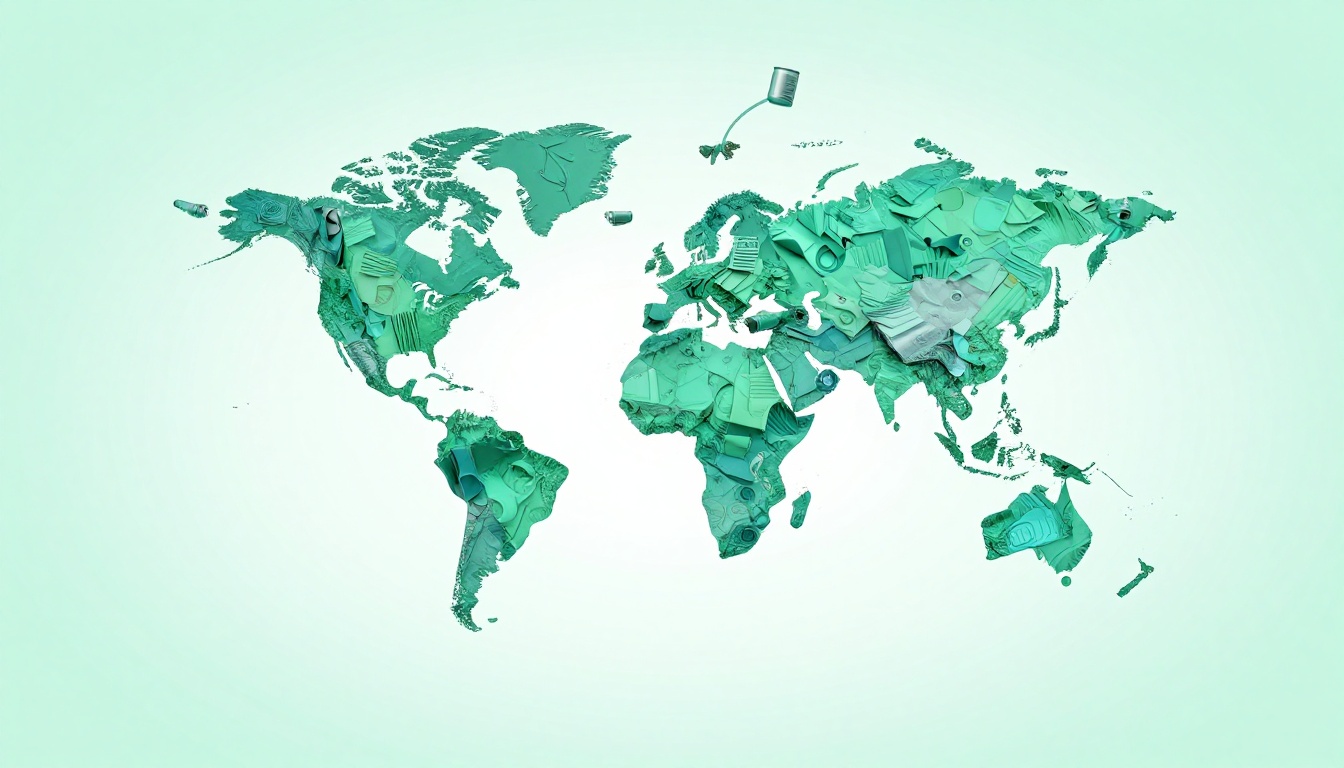
Every day, tons of material turn into trash. Globally, the world generates about 2.6 billion tonnes of solid waste each year, and that number keeps climbing. So what if some of that “waste” could become resources again?
Recycling is the process of turning used materials into new products. Instead of ending up in a landfill, items like paper, metals, and certain plastics can re-enter the supply chain. That fits the reduce, reuse, recycle idea, and it supports the circular economy, where materials keep moving instead of getting dumped.
It matters worldwide because the benefits show up in multiple ways. For example, recycling can help cut climate impacts and pollution, and it also supports local jobs and business activity. In fact, the circular economy could drive an estimated $4.5 trillion in extra global growth by 2030.
If you’re wondering what you can do, you’re not alone. Global Recycling Day 2026 was on March 18, 2026, with the theme “Don’t Think Waste – Think Opportunity.” The message is simple: treat trash as a chance to do better.
Now let’s break down what recycling really means, how it works, and why it matters so much across countries.
Breaking Down Recycling: What It Means and How It Works
At its core, recycling means reprocessing used items into new goods. It’s not magic, though. A recycling system only works when materials are collected, sorted, cleaned, and processed into something manufacturers can use again.
This is where many people feel confused. After all, you toss something in a bin, so shouldn’t it automatically get recycled? Sometimes it does. Other times, it gets rejected because it’s contaminated, mixed up, or not accepted in local programs.
Recycling also has different “routes,” depending on the material. Metals and glass tend to loop back more easily. Paper can be recycled into new paper products. Plastics are more complicated because there are many types, and contamination can ruin batches. For a detailed look at how plastic recycling works, see the Association of Plastic Recyclers on how recycling works.
Here’s the big idea: recycling saves resources, but quality matters. Clean, well-sorted materials are like good ingredients. Bad or mixed loads are like cooking with spoiled food. You can still try, but results suffer.
The Four Main Steps in the Recycling Journey
Recycling usually follows four main steps. They sound simple, yet each one affects whether a material becomes a real product again.
- Collect it
Curbside pickups and drop-off centers collect recyclables from homes and businesses. Collection schedules vary by city, so check local rules instead of guessing. - Sort it
Sorting removes contaminants, like food, hoses, and non-recyclable plastics. Workers and machines separate materials based on type, color, and shape. Better sorting also improves the final product’s quality. - Process it
Materials get cleaned and changed into usable feedstock. Metals may get melted. Glass gets crushed and remade. Paper gets pulped. Plastics are cleaned, shredded, and often made into pellets. - Remake it
Manufacturers turn the processed material into new items, like cans, bottles, paper goods, and some plastic products.
In 2026, AI sorting and smarter sensors are helping recyclers improve accuracy. That matters because fewer mistakes mean more recovered material, not less.

Top Materials We Recycle Around the Globe
You’ll usually see the same categories in many recycling programs: metals, glass, paper and cardboard, and plastics. Still, the exact rules differ by location.
- Metals (especially aluminum and steel): Aluminum cans can often be recycled again and again. Steel is also commonly recovered.
- Glass: Glass tends to be easier when it’s free of other materials. Keep it free of food residue.
- Paper and cardboard: Recycling helps reduce pressure on forests. It also keeps paper fibers in use longer.
- Plastics: Plastics are the tricky one. Different plastic types behave differently during processing. Contamination is a major problem.
You’ll also see “other” streams in some areas, like clothing take-back programs, electronics drop-offs, and composting for food waste.
Meanwhile, new options are expanding. Chemical recycling can help with plastics that are hard to recycle through standard methods. The goal is to turn tougher plastics into new raw material so they can re-enter manufacturing.
Why Recycling Matters: Environmental Wins for Our Planet
Recycling matters because it reduces the need to extract raw materials from the earth. It also keeps more trash out of landfills, where it can cause long-term problems.
Global waste keeps rising. At the same time, recycling rates remain low. In 2026, only about 7 to 9% of raw materials or plastic waste is recycled worldwide. That means most materials still go somewhere else, like landfills, incineration, or mismanaged waste.
Recycling helps in several environmental areas:
- Energy savings and fewer emissions
Recycling typically uses less energy than making products from virgin materials. For example, recycling aluminum uses about 95% less energy than producing it from ore. - Lower climate impact
Many studies link recycling to fewer greenhouse gases, especially when it replaces new production. Estimates often put the climate benefit in the hundreds of millions of tonnes of CO2 each year, depending on materials and how systems work. - Less landfill waste and fewer methane releases
Landfills store decomposing waste that can produce methane. Less landfill input helps reduce that risk.
If you want a research-based look at how waste recycling ties into pollution control, check out waste recycling and sustainable environmental technologies for pollution control in Environmental Sustainability (Springer).
Another angle is water and land use. Recycling paper, for instance, saves resources because it relies less on new pulp. Older but still widely used stats say that recycling one ton of paper can save about 17 trees and around 7,000 gallons of water.
Recycling isn’t just “less trash.” It’s a shift in how we use energy, water, and raw materials.
Energy Savings and Pollution Cuts That Add Up Fast
Energy savings feel abstract until you compare processes. The production side often takes more steps, more heat, and more fuel than recycling. That’s why aluminum is such a strong example. When a material is already made once, recycling can skip a big chunk of “starting from scratch.”
Also, recycling cuts pollution at multiple points. Less mining means fewer impacts from extraction. Less landfill space means fewer local issues. And when recycling improves, you reduce the pressure that waste growth puts on cities.
Preserving Nature and Shrinking Landfills Worldwide
Nature benefits when landfills shrink and resource extraction slows. That can protect habitats and reduce stress on wildlife.
It also helps with visible pollution. Plastic in particular can end up in rivers and oceans. Once it’s in the water, it can harm animals and break into smaller pieces that last a long time.
Even small personal actions connect to these larger patterns. Sorting correctly means your item has a better chance of being turned into something new.
Economic and Social Boosts from Recycling Everywhere
Recycling doesn’t only help the planet. It also supports the economy and public life.
In the U.S., recycling creates a lot of work. The recycling industry provides about 534,500 jobs across the country. It also drives big economic activity, including scrap and recycled materials business.
Recycling also supports community spending. Money earned by recycling workers often gets spent locally. That can support stores, services, and other businesses near recycling hubs.
On top of that, recycling programs can improve community quality. Cleaner neighborhoods, fewer odors, and less litter all shape everyday life.
Still, recycling faces limits. Contamination can raise costs. Some materials get rejected. Some systems lack processing capacity. That’s why participation and correct sorting matter so much.
Jobs and Money Flowing from the Recycling Industry
If you want proof recycling supports jobs, look at federal data. The EPA reports that recycling and reuse activities create 681,000 jobs and generate $37.8 billion in wages each year.
Recycling also ties into innovation. Better sorting tech and processing facilities help improve output quality. When output improves, markets for recycled materials strengthen.
Finally, economic value grows when recycling systems run smoothly. That’s why reducing contamination is not just “good behavior.” It’s smart for costs and long-term supply.
Healthier Communities and Stronger Ties
When recycling reduces landfill buildup, it can help cut pollution that affects air and water. Communities near waste sites often carry extra risk. Better waste handling supports better health outcomes.
Recycling also creates social habits. When neighbors follow the same rules, it builds trust. It can also spark community projects, like local cleanups and recycling education days.
The best recycling plan is the one people actually follow.
Global Success Stories, Innovations, and Easy Ways to Join In
Some countries recycle much more than others. In waste recovery scores, Germany leads with a score near 98.9 out of 100. The United Kingdom follows around 85.2, while Japan is around 94.4. The United States is lower, around 44.
Those numbers reflect policies, collection systems, and how well materials are separated at the source. They also show something important: recycling doesn’t happen by accident. It takes rules and practical programs.
Standout Countries Leading the Recycling Charge
Germany stands out for strong separation rules and long-term systems. The U.K. has also built strong glass collection. The bigger lesson is not to copy one country exactly. Instead, aim for the same core idea: clear sorting rules and reliable processing.
In 2026, countries are also dealing with changes in recycled-material markets. When demand drops, recyclers struggle. When demand rises, programs can expand and improve.
Cool Tech Making Recycling Smarter in 2026
Tech keeps improving recycling in real ways. AI sorting helps identify materials faster and with fewer errors. That keeps contaminated items from entering processing lines where they can ruin batches.
Chemical recycling is also gaining attention. It can handle tougher plastic streams by breaking them into raw building blocks. In many regions, this still sits behind curbside recycling in scale. However, the direction is clear: more routes for more materials.
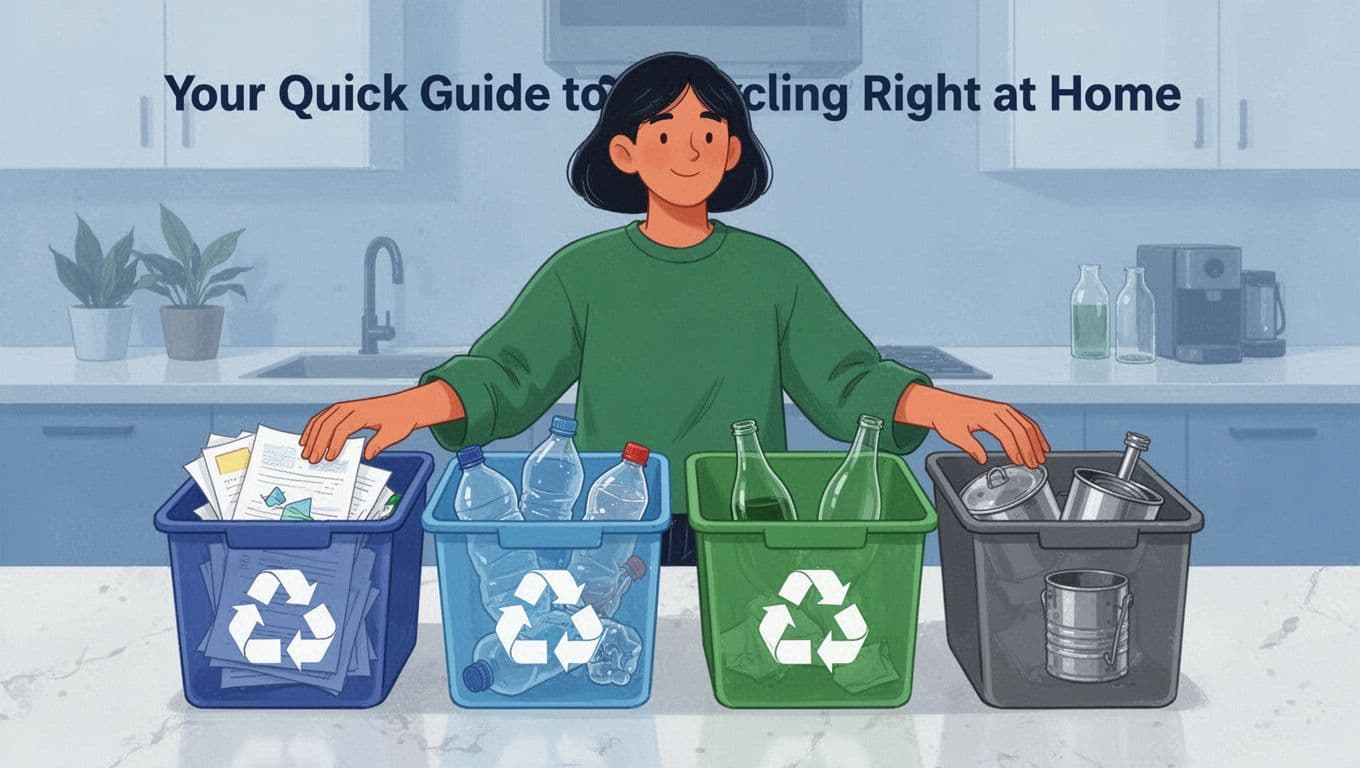
Your Quick Guide to Recycling Right at Home
You can help make recycling work by getting three habits right: check local rules, keep items clean, and sort correctly.
Start with your local website or bin guide. Then use these practical tips:
- Empty and rinse food residue off jars, cups, and containers.
- Keep items dry. Wet paper can ruin a whole batch.
- Don’t bag recyclables unless your program says you can.
- Flatten cardboard boxes if your area accepts them that way.
- Use the “credit card size” idea. If it’s tiny, it often falls through sorting equipment.
- Avoid wish-cycling. If you’re unsure, look it up.
If you want context on why infrastructure and cost barriers still slow progress, see the 2026 recycling reality check on infrastructure and cost barriers.
Conclusion
Recycling is how we turn used materials into new products, so waste doesn’t end up as the default outcome. It works through a real chain of steps, from collection and sorting to processing and remaking. When it goes well, it cuts energy use, helps reduce pollution, and supports jobs.
It also fits the theme from Global Recycling Day 2026, “Don’t Think Waste – Think Opportunity.” Your choices at home connect to bigger systems. So check your local rules, sort carefully, and reduce first when you can.
What’s one item you’ll start sorting correctly this week?